Morocco Luxury
Highlights
Premium Travel Services
Safe transfer
Catering & dining
Private resorts
Comfortable rooms
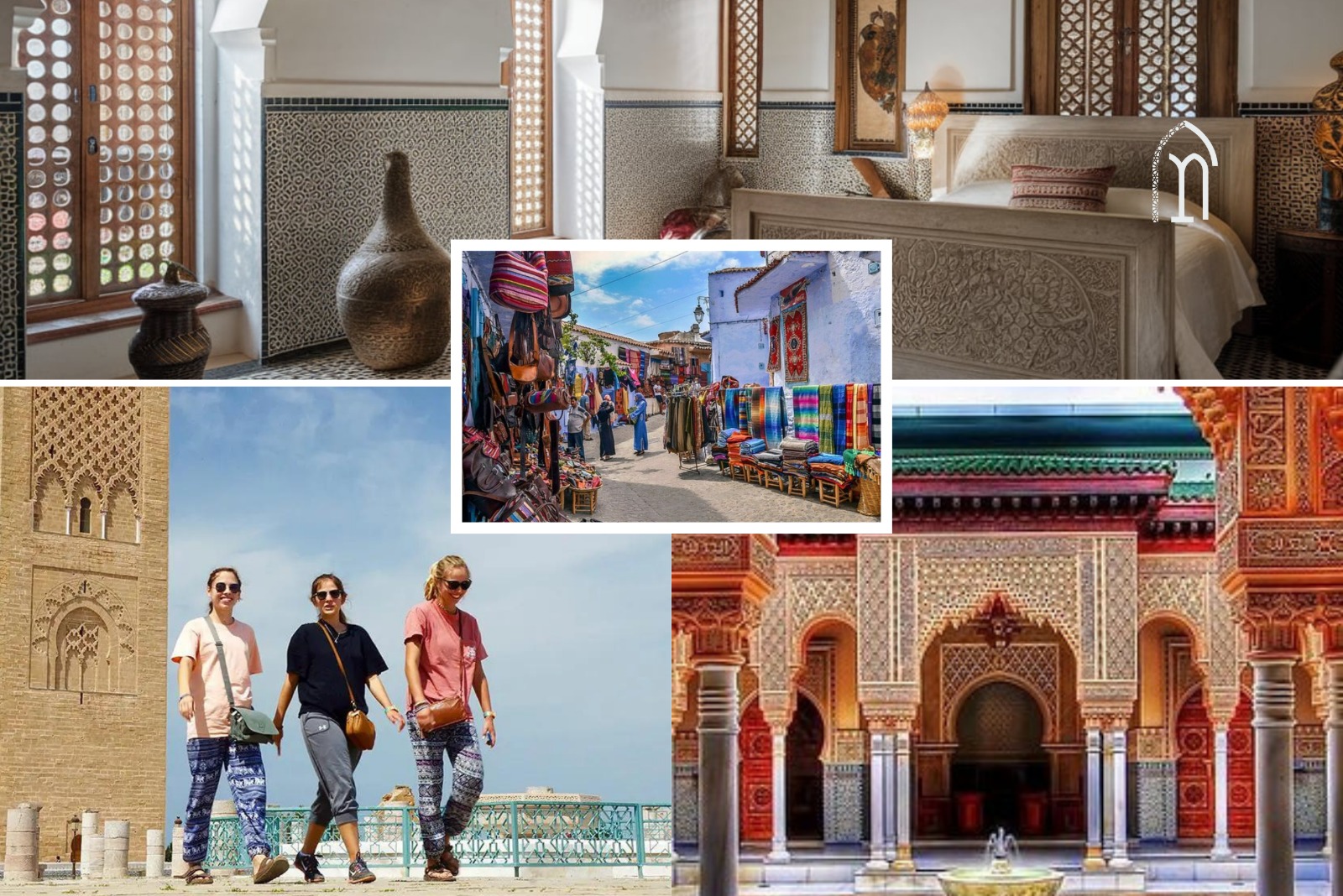
Our Morocco luxury tours offers a variety of packages tailored to your interests. Whether you’re an adventure seeker, love history, or enjoy culture, we have the perfect tour for you. Explore ancient cities , trek through stunning landscapes, and immerse yourself in Morocco’s rich traditions. Our tours ensure a seamless and enriching experience, promising unforgettable memories in this diverse and captivating destination.
Luxury travel agency in Morocco . Our private tours are designed exclusively for you, offering personalized experiences beyond the ordinary. Our expert guides and local knowledge ensure the best luxury experiences. We create custom trips for you, whether you love history, food, or adventure. Enjoy an unforgettable journey through Morocco’s beautiful landscapes with our personalized tours.
Discover the true spirit of Marrakech and Morocco through unique, carefully curated experiences designed by our luxury travel specialists. As a leading luxury travel agency in Marrakech, we take you far beyond typical tourist routes to reveal the authentic essence of the city and the country.
Stroll through vibrant souks, ride camels across the golden Sahara Desert, and savor authentic Moroccan cuisine in bustling local markets. Our expert guides bring every moment to life with captivating stories about Morocco’s rich history, culture, and traditions.
Host unforgettable corporate events, exclusive retreats, and luxury team-building experiences across Morocco. From private riads in Marrakech to serene desert camps under the stars, our expert planners craft every detail with precision, ensuring seamless logistics, inspiring settings, and moments that leave a lasting impression
Whether you’re hiking through the breathtaking Atlas Mountains, relaxing in a luxury desert camp, or staying in an elegant riad, every detail of your journey is crafted for a truly immersive and premium Moroccan experience.
With our Morocco luxury travel services—recognized among travelers searching for a de luxe Morocco trips agency—you explore the country your own way: comfortably, authentically, and with the personalized care that defines our bespoke approach.
Things to Do In Morocco
The luxury Morocco tour uniquely blends ancient traditions and modern culture. From lively markets to tranquil deserts, each corner offers unique experiences. Enjoy delicious Moroccan food, explore historic cities, and immerse yourself in local culture. Our Morocco luxury tours help you enjoy your vacation or adventures with friends and family. Morocco has something special for everyone. Here are 6 must-do activities to make your trip unforgettable:
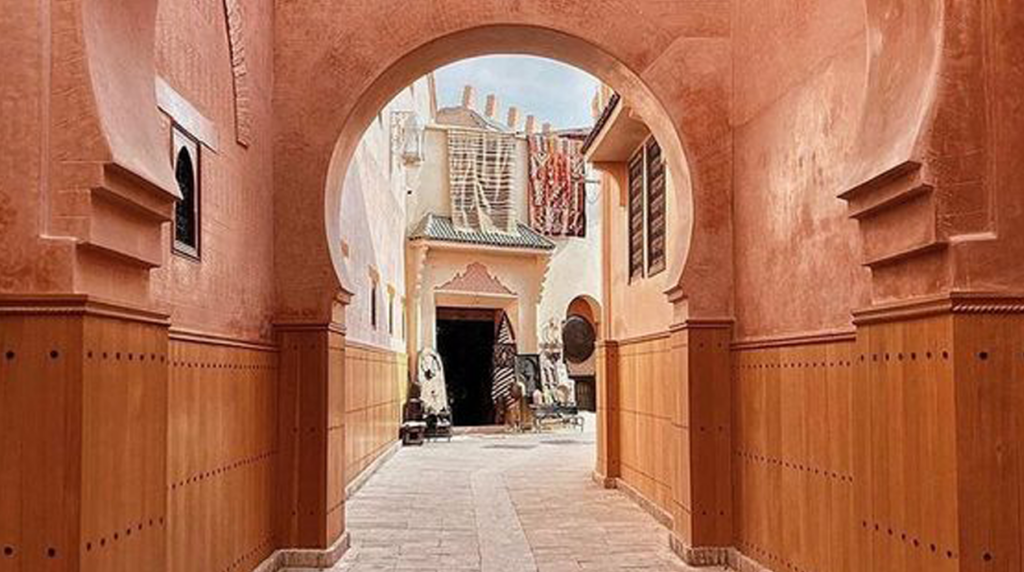
Our tour packages include visits to the stunning medinas of Marrakech and Fes. Immerse yourself in the vibrant and colorful streets, where every corner tells a story.
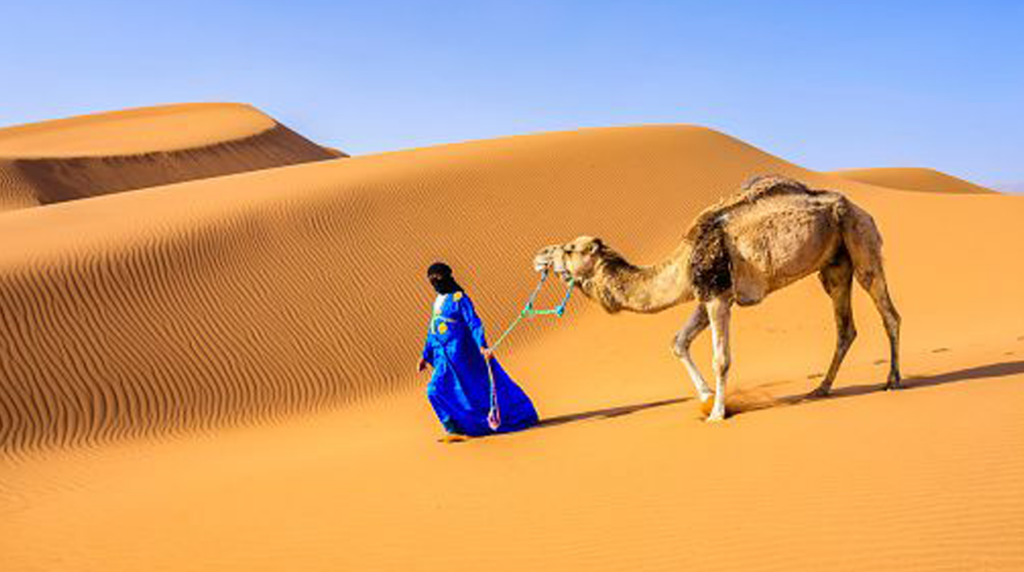
Take a camel trek across the mesmerizing dunes of the Sahara. Spend an unforgettable night in a desert camp under a starlit sky.
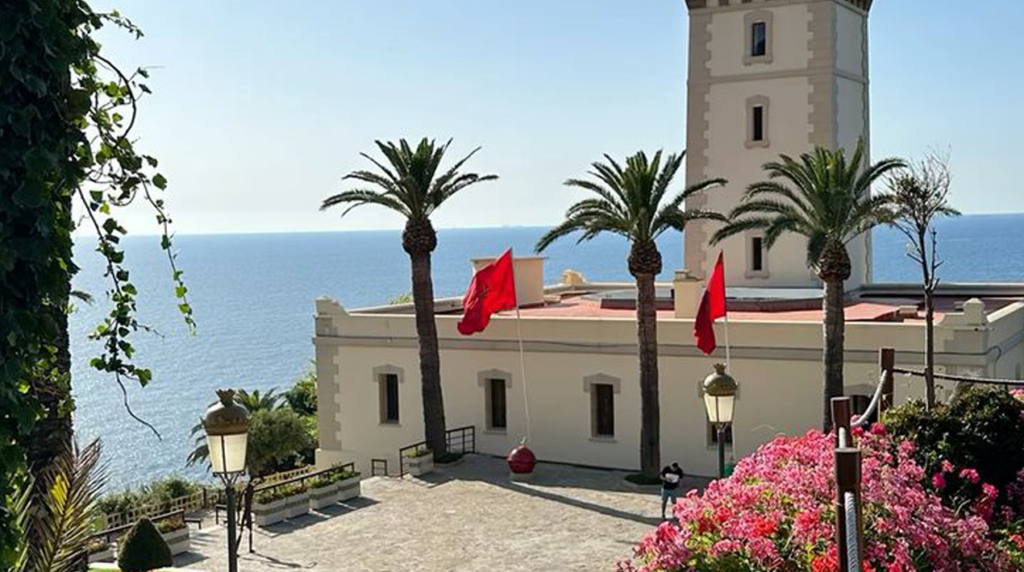
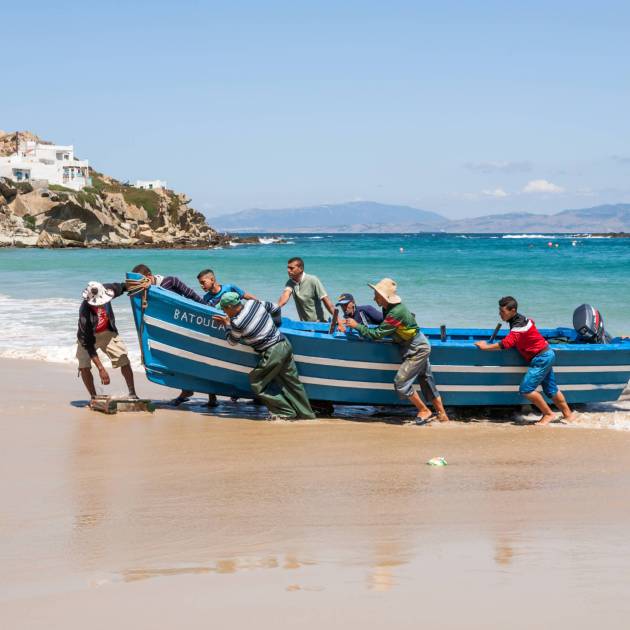
Located in northwest Morocco, on the coasts of the Mediterranean Sea and the Atlantic Ocean, Tangier is a city rich in culture and scenic landscapes, serving as a gateway to Europe and Africa.
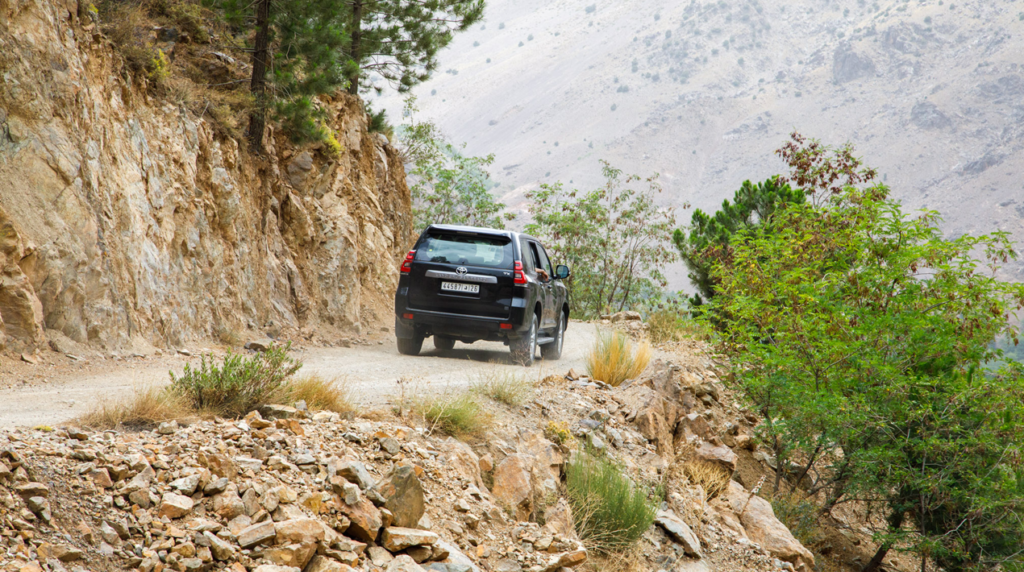
Explore the Atlas Mountains through hiking. Discover Berber communities, breathtaking landscapes, and the natural splendor of Morocco.
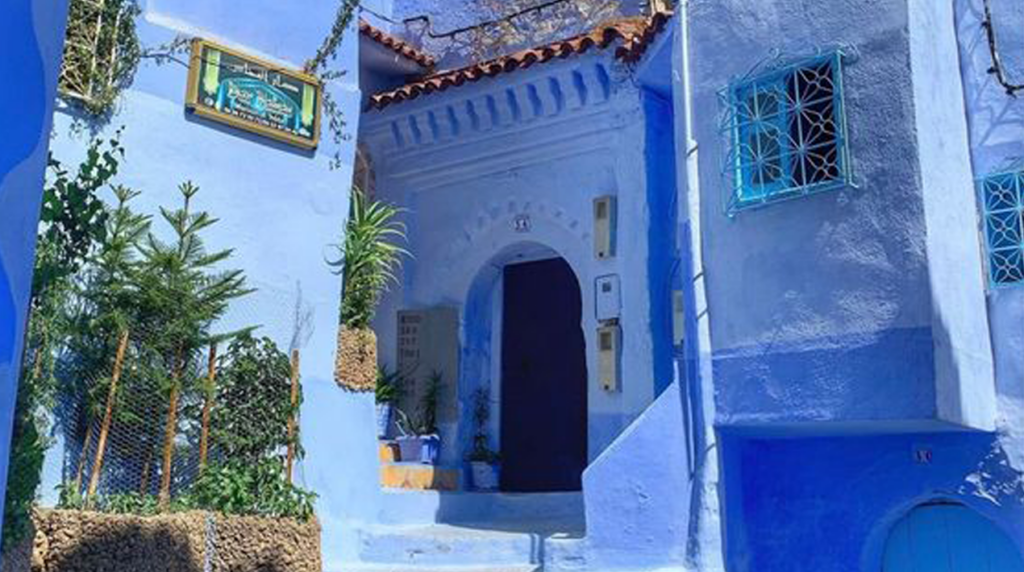
Visit Chefchaouen, nestled in the Rif Mountains. Enjoy the tranquility of its blue-washed streets, where you can shop for unique local goods.
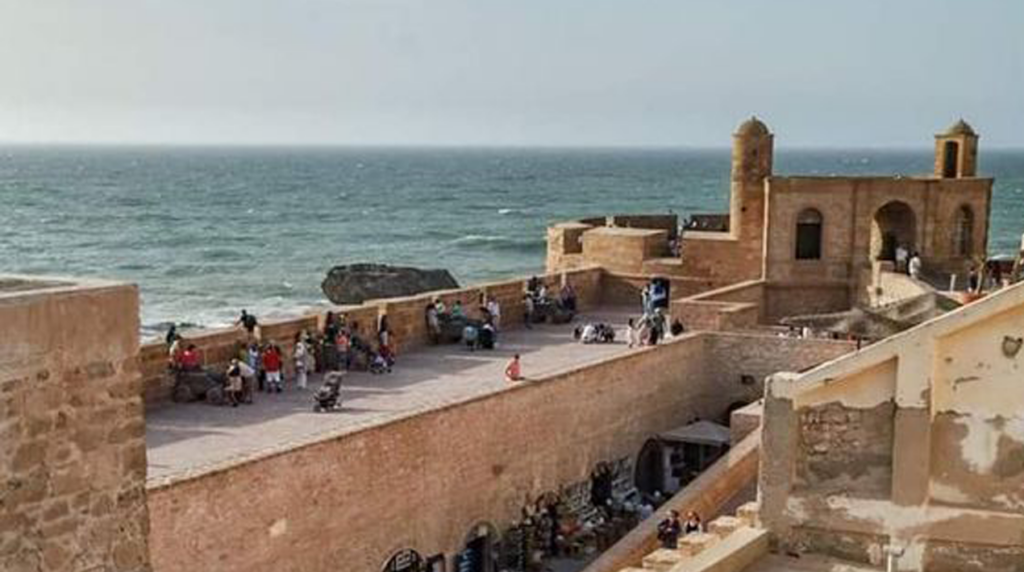
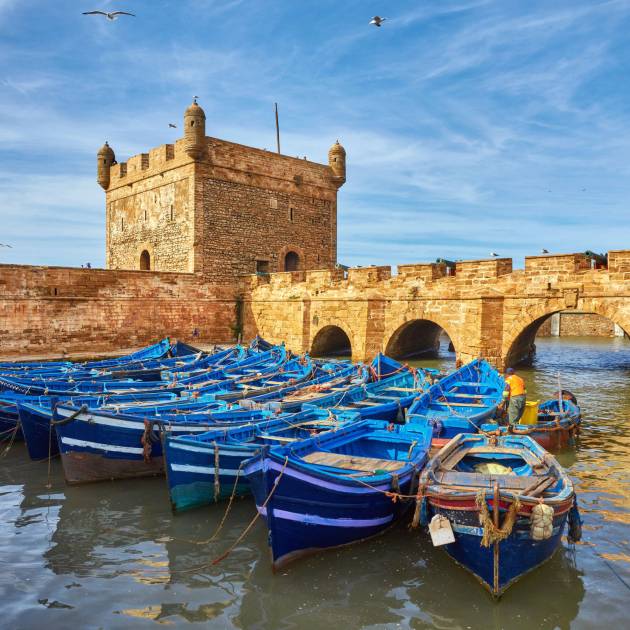
Essaouira offers a relaxed atmosphere. Explore the historic medina, stroll along the scenic beach, and savor fresh seafood at the bustling port.
Luxury resorts, private tours and VIP transfers, carefully hand-picked based on your tastes and budget
Director
As a trusted Morocco tour operator, we handle all aspects of your trip, from planning to execution. Our luxury tour agency in Marrakech works closely with the best local partners to ensure exceptional travel experiences. Whether arranging transportation, booking unique excursions, or securing reservations at the finest establishments, we care for everything.
Start your incredible journey with our Morocco luxury travel.
Whether you want to explore bustling markets in Marrakech, hike in the Atlas Mountains, or experience the peaceful Sahara Desert, we have the perfect adventure. Our tours are designed to showcase Morocco’s fascinating history, vibrant culture, and breathtaking landscapes.
For more details about our services, planning process, and what to expect, feel free to visit our FAQ page.
Why Guests Love Morocco Luxury Highlights
Verified The BEST tour organizers to work with Stop your searching. Morocco Luxury Highlights is the BEST. We just finished a five day (too short!) first visit to Marrakech and were so impressed with their care and personal attention from the moment we arrived until our departure. We enjoyed our time with exceptional guide Aziz and equally wonderful driver Ali. They created an unforgettable itinerary for us and shared tremendous insight and historical context everywhere we went. They were not simply expert in their work but also engaging, interesting humans. We found the Moroccan people to be welcoming and wonderful. The cuisine was consistent excellent. And the experience of visiting such a unique place and having everything so well curated, planned and executed has us already thinking about returning again in the next couple of years for more. We wouldn’t think of working with anyone else except Aziz and his colleagues at Morocco Luxury Highlights. Do yourself a favor and let them plan a magical Moroccan experience for you…Posted onVerified They are the best!!! I loved our trip to Morocco and a very, very large part of it was Morocco Luxury Highlights planning us an incredible trip. They took us to see all of the highlights, planned fun adventurous outings, and traveled us around the city. They were exceptionally well prepared, timely, and safe. They planned an incredible cooking class, ATV ride, camel ride with dinner, hike in the Atlas Mountains, and fun city touring. They picked us up in a Mercedes van each morning and took us around the city. They planned great meals as well. They are professional, safe, and made our stay incredible. I highly, highly, highly recommend using them!Posted onVerified Magical Marrakech Spending two days with Aziz was a gift. We walked to all of the sites and he guided us to the best of the souk. Aziz made sure to make everything so easy sharing history, culture and norms. His English is beautiful and he knew everyone at the historic sites. I was told by our concierge that Aziz is the top guide in the city. Our favorite memory was purchasing beautiful shoes where they made them to measure for each of us and Aziz arranged to have them delivered to our hotel in time for our departure. I would come back again with designer friends and even make a trip to the Atlas Mountains. The people were gracious, we felt safe and we fell in love with Marrakech. Thank you Aziz!! 🍊Posted onVerified Personalized service always stands out in trust building Thank you Morocco Luxury Highlights team for extending very good service for our 6 members group trip to Morocco in February 2026. Your concern and sincere service made a wonderful holiday for our esteemed clients. Thank you to all once againPosted onVerified Perfect getaway for 1 week with outstanding nature highlights on a very high service level We started the contact to the agency just 3 weeks before travelling. Benoit answered very quickly with a suggestion of 2 very different tours, both seemed to be very interesting. Our choice has been: 3 nights in Marrakesh, following by a round trip towards the east (Ait Ben Haddou, Erg-Chebbi Desert, Dades Georges) at the end another Riad in Marrakesh. It was really outstanding: guide ( in Marrakesh) and driver. (for the whole time, even in the evening!) at its very best, very friendly and acknowledged, we didn’t espect this perfect and warm service and level, fantastic Riads/Hotels/ camps, wonderful destinations and landscape…We highly recommend the agency “Morokko Luxury Highlights”: perfect organisation and excellent communication - it couldn’t be better!Posted onVerified Amazing experience! We had the pleasure of having Aziz as our tour guide in Marrakech with my group of 6 girlfriends. He was really well informed , easy to be around and we felt very safe with him helping us navigate the souks. He went out of his way to accommodate all of our preferences, listened to what we wanted out of our days with him and tailored plans accordingly! He even had a few special experiences we had not expected which was amazing. I would definately use his agency to help plan my next trip to Morroco which would include visiting places outside of Marrakech. Thank you Aziz.. will be sending some of my other friends your way!Posted onVerified Highly recommended! Morocco luxury highlights takes care of everything so you get the best experience Morocco luxury highlights is the best! They made our trip here so memorable. Aziz took care of everything. We can’t wait to come back.Posted onVerified Great experience Fayssal was a mixing tour guide for our first time in Marrakech! Loved that we could skip the line and get the history and inside scoop for all the sights. Having a guide in the souk is essential. The bestPosted onVerified Wonderful tour guide in Marrakech Fayssal was a wonderful tour guide. He was very knowledgeable sharing information about Morocco and its history. We did a walking tour seeing many sites in the Medina and he led us through the labyrinth of the souk. He has excellent communication and helped us with transportation and reservations for several delicious restaurants. I highly recommend him!Posted onVerified Best tour! Aziz is the best! My boyfriend and I had an amazing experience exploring Marrakesh thanks to Aziz and Morocco Luxury Highlights. Aziz is very knowledgeable, and made the whole experience enjoyable and memorable. We look forward to coming back to Morocco and booking with Morocco Luxury Highlights We couldn’t recommend them enough!
Expert Morocco Travel Insights
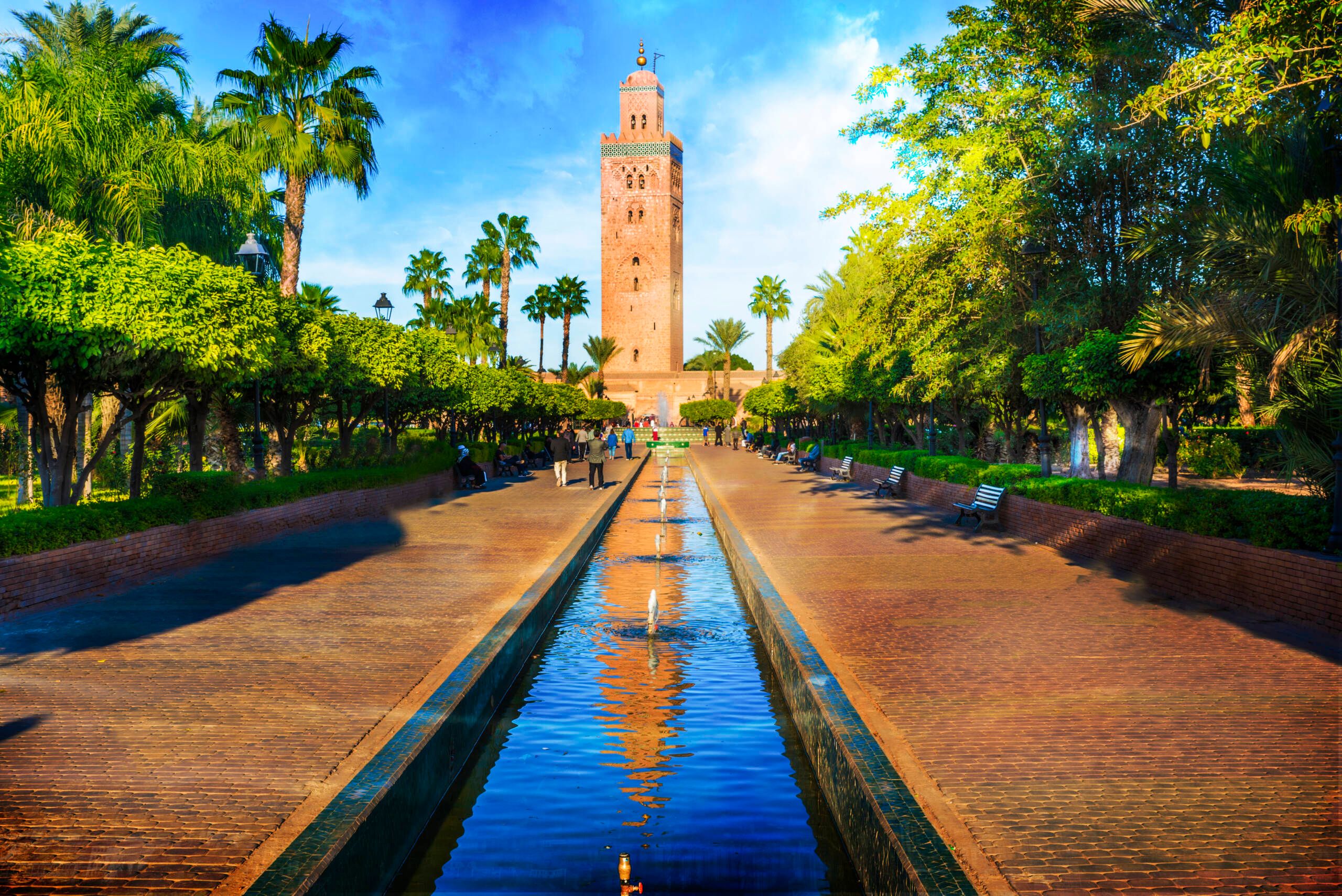
Exploring Marrakech’s Crown Jewels: Luxurious Palaces That Define Opulence
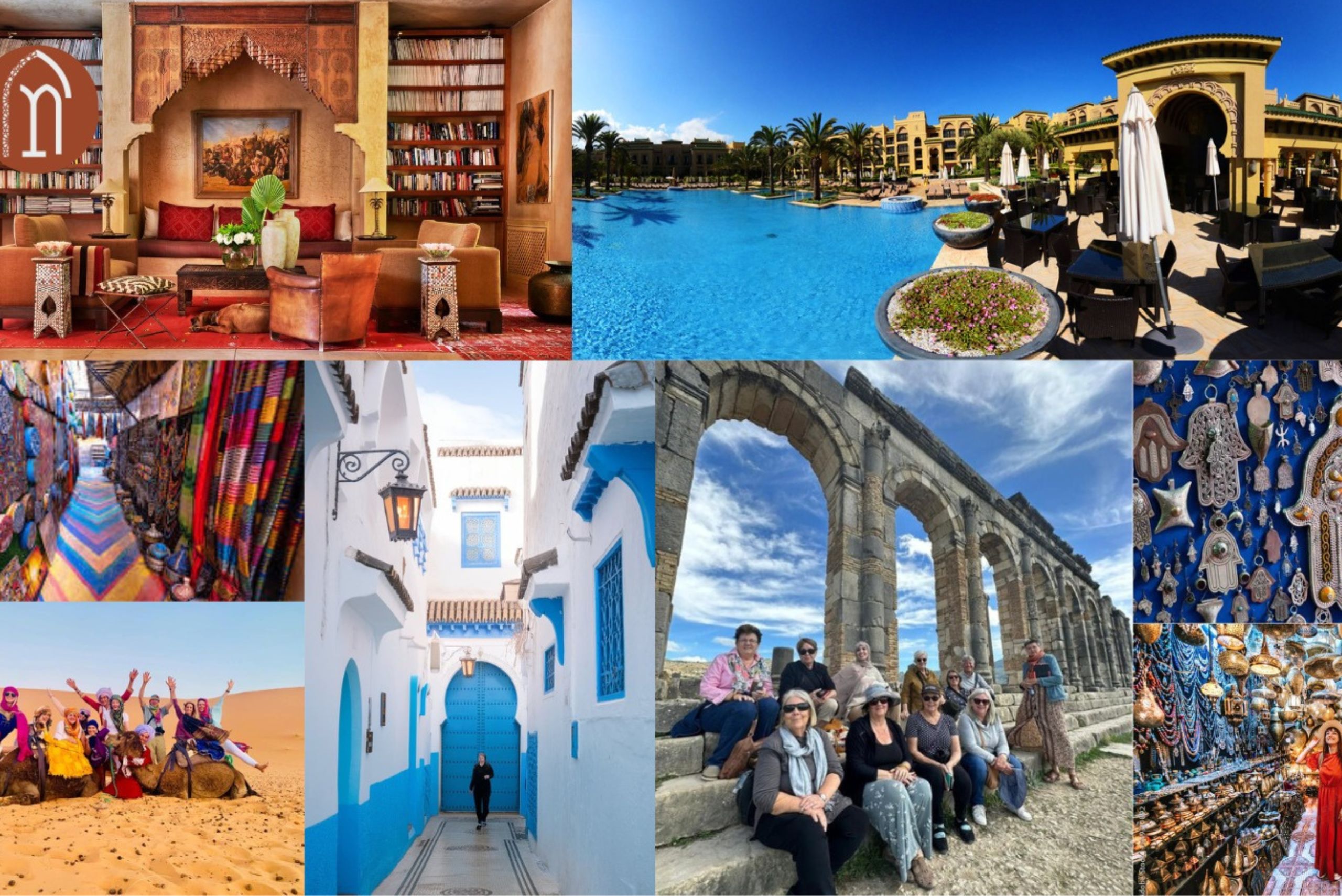
Essential Cities to Visit in Morocco: A Journey Through Culture, Adventure, and Luxury
Top Morocco Marrakech Attractions: The Ultimate Guide to the Red City
Exclusive Luxury Partners in Morocco