

Morocco is one of the countries famous for its culture and architecture. Kasbahs have unique architectural styles that blend beautifully to create unforgettable travel experiences. Traditional Moroccan Kasbahs were constructed with rammed earth (pisé), sun-dried mud bricks (adobe), stone, wood from cedar or palm trees, straw, and clay plaster. They attract visitors because of their unique architecture, amazing craftsmanship, rich cultural and fascinating history.
Although every Kasbah looks similar, they differ in their design and architecture. Therefore, you can not say visiting a single or a couple of kasbahs is enough to explore.
Why Moroccan Kasbahs should be visited
Visiting kasbahs is helpful to explore the lifestyle of different tribes, the management of different rulers, and to understand the country’s strategic importance throughout history. They also provide detailed information about the living style of people centuries ago. Visitors can explore old kitchens, storage rooms, family quarters, towers, and reception halls. That’s how you can explore how different communities lived, worked, and defended themselves against enemies.
Moreover, kasbahs are the perfect places for photography. The contrast between the earthy buildings and Morocco’s dramatic landscapes creates breathtaking scenery, particularly during sunrise and sunset.
Most Beautiful Kasbahs in Morocco
Now we are going to discuss the most beautiful kasbahs in Morocco in detail. This will help you in selecting the right kasbahs to visit and make your journey memorable.
Aït Ben Haddou
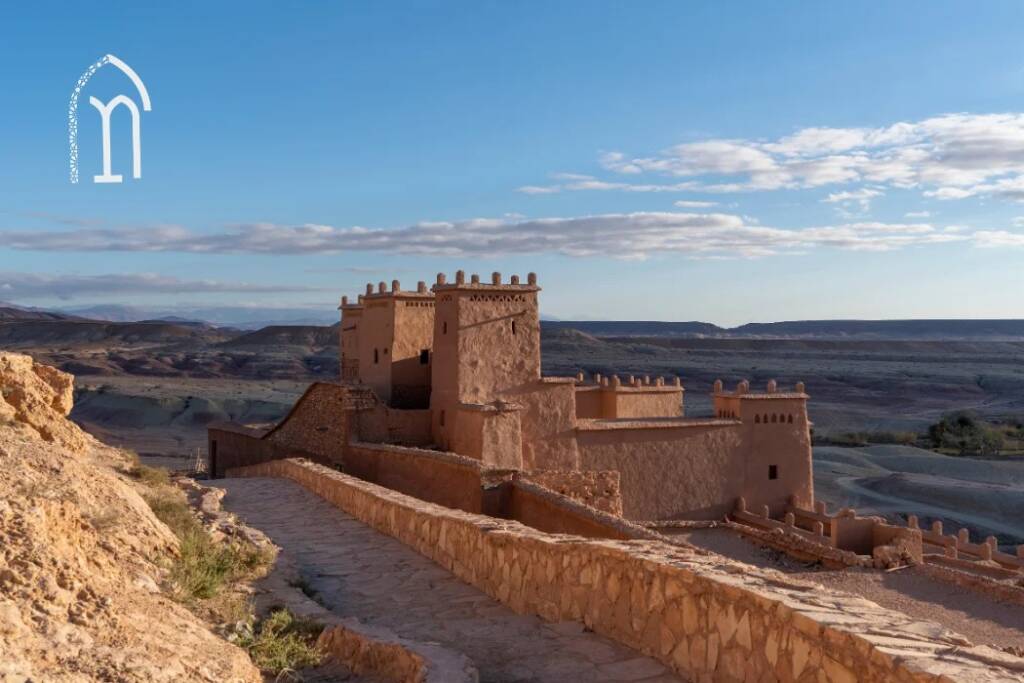
Without any second opinion, Aït Ben Haddou is one of the most remarkable kasbahs of Morocco. This masterpiece is located around 19 miles northwest of Ouarzazate along the former caravan route between the Sahara Desert and Marrakech. The traditional Southern Moroccan construction is made from rammed earth, adobe bricks, clay, straw, and wood.
At the fortress inside, there are small courtyards, family houses, and a hilltop granary that once protected food supplies during times of conflict. It’s amazing architecture with such fine craftsmanship brings you back in the centuries-old history, and enforce to praise the architects of that time.
Kasbahs of Telouet
It is another fascinating historical landscape located in the High Atlas Mountains, almost 100 km southeast of Marrakech. Kasbahs of Telouet (Lords of the Atlas) were the residence of the Glaoui family. The blend of traditional Berber construction and lavish Moroccan craftsmanship is reflected in its architecture.
Its luxurious interior surprise the visitor at first glance. The modern interior includes magnificent reception halls decorated with colorful zellige mosaic tiles, intricately carved cedar wood ceilings, and beautifully designed courtyards. The contrast between the exterior and the interior not only makes it breathtaking but also reflects the Glaoui family’s luxurious lifestyle.
Kasbahs of Amridil
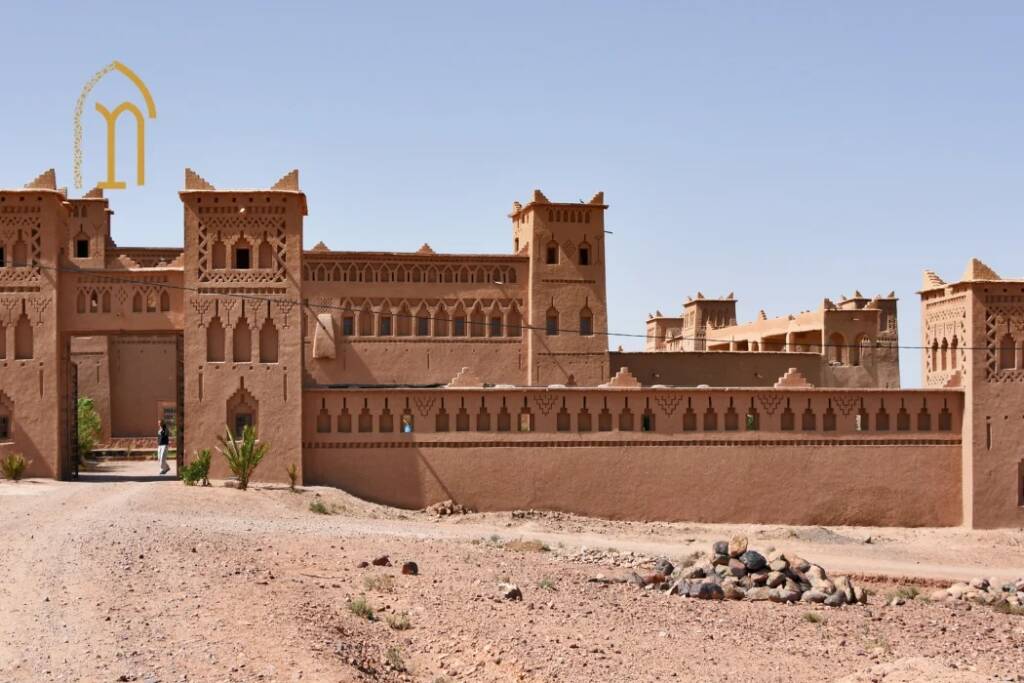
Located in the heart of the Skoura Oasis, approximately 25 miles east of Ouarzazate, is one of the most iconic and well-preserved kasbahs. Date palm trees, olive groves, and lush gardens surround the kasbahs of Amridil, enhancing its beauty. The architecture of Kasbah Amridil showcases the ingenuity of traditional Moroccan builders.
It is constructed from rammed earth, adobe bricks, clay, straw, and palm wood. So, it gives a splendid natural look from the outside. Travellers can take guided tours through the well-preserved interiors, learn about traditional Berber farming techniques, and explore exhibits featuring antique tools, household items, and historic agricultural equipment.
Kasbahs of Taourirt
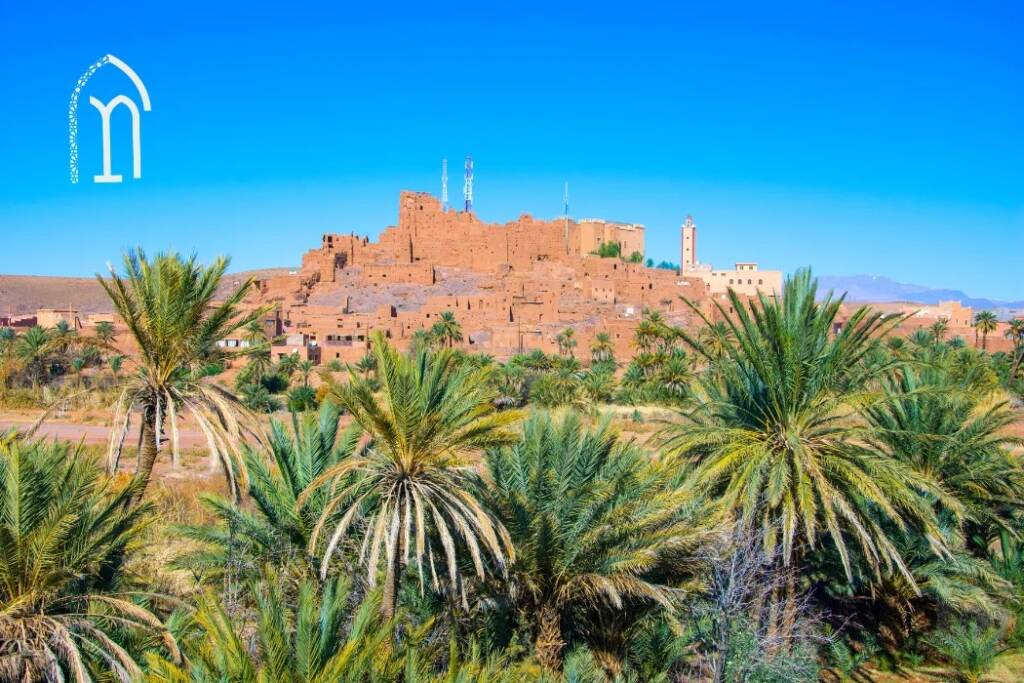
Situated in the heart of Ouarzazate, often referred to as the “Gateway to the Sahara,” the Kasbah of Taourirt is one of Morocco’s most impressive and historically significant fortresses. Its beautifully crafted traditional Southern Moroccan Design exterior stunned the visitors.
The beautifully preserved reception rooms are adorned with colorful zellige tilework. Dozens of interconnected rooms and hidden corridors mesmirized the visitors. From the upper levels of the kasbah, travellers can enjoy panoramic views of Ouarzazate, the surrounding desert plains, and the distant Atlas Mountains. It is considered as the most visited attraction in Ouarzazate.
Kasbahs of Tifoultoute
Built during the 17th century and later expanded under the powerful Glaoui family, the Kasbahs of Tifoultoute are a Moroccan historic fortress. Located approximately 5 miles away from the iconic Ouarzazate valley. Tifoultoute offers a quieter and more intimate experience while showcasing the timeless beauty of Morocco’s traditional earthen architecture.
Similar to many other Moroccan kasbahs, it is also constructed with rammed earth, adobe bricks, clay, straw, and palm wood. The best thing about Kasbahs of Tifoultoute is its central courtyard, which reflects the elegance of traditional Berber architecture. Moreover, the combination of warm reddish brown tones of the Kasbahs of Tifoultoute and the rocky hills creates a stunning impact on the visitors.
Kasbah des Caïds
Kasbah des Caïds is another masterpiece to explore in the tour of Morocco, located in the Valley of Roses near Kelaat M’Gouna. Once, it served as the residence of Caïds. It is one of the few kasbahs where you are close to history and nature. The fragrant rose fields, lush palm groves, and dramatic mountain landscapes give you a peaceful environment to relax and praise the Kasbhas’ beauty.
After the entrance, the beautifully decorated reception rooms welcome you. These rooms are adorned with traditional zellige tilework, carved cedar wood ceilings, ornate stucco plaster, and colorful geometric patterns. It is highly recommended if you want to enjoy history and nature in a single place.
Kasbahs of Tangier
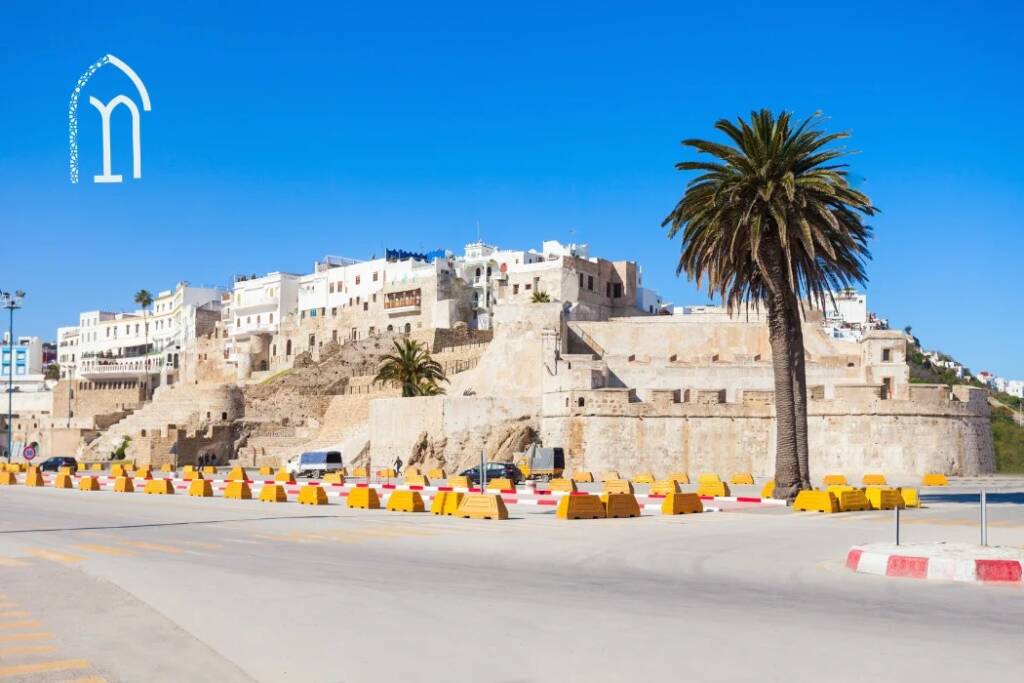
Kasbahs of Tangier are another historical landscape at the peak of the ancient Medina of Tangier. Due to the elevated location, it gives a breathtaking view and looks extremely beautiful. The use of stone, limestone, and whitewashed masonry in its construction not only makes the Kasbah of Tangier stunning but also makes this architectural adaptation perfect for a coastal environment.
Dar el Makhzen (Former Sultan’s Palace) is one of its architectural symbols that showcases the Moroccan and Andalusian craftsmanship. The Kasbahs of Tangier offer plenty of activities for visitors, including architecture, viewpoints, dining, photography, and a museum to explore.
Kasbahs of Chefchaouen
Although it’s down in the list of our Kasbahs list, historically and scenically, you can not underestimate the Kasbahs of Chefchaouen. Built in 1471 by Moulay Ali Ben Moussa Ben Rached, the founder of Chefchaouen, the kasbah was originally constructed as a fortress to defend the town against Portuguese invasions. The distinctive blend of Andalusian and Moroccan architecture in its construction gives it a stunning natural look.
The kasbahs’ eye-catching interior is designed with peaceful Andalusian-style gardens, spacious courtyards, arched walkways, and traditional buildings with red-tiled roofs. Moreover, visitors can explore the Ethnographic Museum that exhibits traditional clothing, musical instruments, pottery, weapons, historical photographs, and artifacts. During the visit to the Kasbahs of Chefchaouen, the mermerising beautiful streets of the blue city bewitch you.
Kasbah El Glaoui (Taliouine)
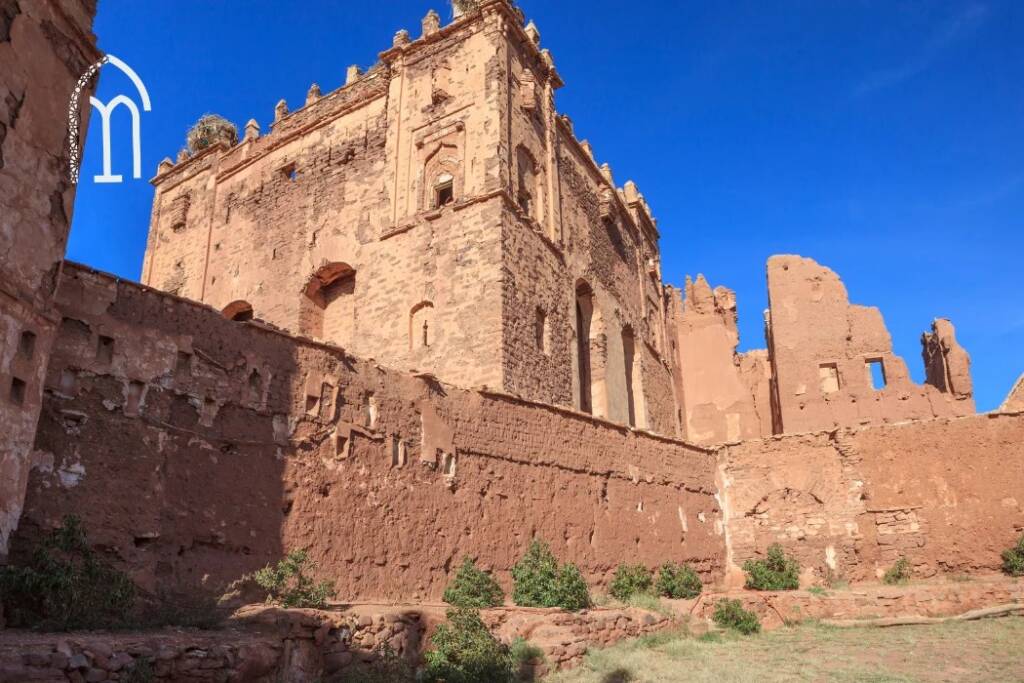
Located approximately 160 km southeast of Taroudant, Kasbah El Glaoui is one of southern Morocco’s most significant historical landmarks. Built during the late 19th century by Thami El Glaoui, using rammed earth, adobe bricks, clay, and cedar wood. Although Kasbah El Glaoui (Taliouine) is partially ruined, you can still enjoy zellige tilework, carved cedar wood ceilings, ornate stucco plaster, decorative arches, and geometric motifs.
As Taliouine is famous for saffron production, so visitor can discover several saffron farms here and explore how saffron is cultivated, harvested, and processed, particularly during the autumn harvest season. The views of widely spreading saffron farms and the Anti-Atlas Mountains from the fortress are pleasant and give natural vibes.
Best Time to Visit Morocco’s Kasbahs
The best time to explore these historic kasbahs is during spring (March to May) and autumn (September to November). The weather is pleasant during these days, with temperatures ranging between 20°C and 30°C. Along with the best weather conditions for a visit, these months bring blooming landscapes, especially in regions such as the Valley of Roses and Skoura Oasis.
However, mostly tourist plan trips during summer vacations, when the temperature is around 40°c particularly in Ouarzazate, Aït Ben Haddou, Taliouine, and the Draa Valley. So, in summer, you can explore these kasbahs early in the morning or late in the afternoon.
FAQs
What is a kasbah in Morocco?
A kasbah is a traditional fortified fortress or residence built primarily from rammed earth, adobe bricks, stone, and wood. Historically, kasbahs served as homes for rulers, tribal leaders, and wealthy families while also protecting communities and important trade routes.
Which is the most famous kasbah in Morocco?
Aït Ben Haddou is the most famous kasbah in Morocco. It is a UNESCO World Heritage Site known for its remarkable earthen architecture and appearances in famous films and TV series, including Gladiator and Game of Thrones.
When is the best time to visit Morocco’s kasbahs?
The ideal time to visit Morocco’s kasbahs is during spring (March to May) and autumn (September to November) when temperatures are mild, making sightseeing, photography, and outdoor exploration more comfortable.
Are Morocco’s kasbahs worth visiting?
Yes. Morocco’s kasbahs offer a unique combination of history, traditional architecture, Berber culture, breathtaking landscapes, and excellent photography opportunities, making them some of the country’s most rewarding attractions.
Can you visit the inside of Moroccan kasbahs?
Yes. Many kasbahs are open to visitors and offer guided tours. Inside, you can explore courtyards, reception halls, family quarters, watchtowers, museums, kitchens, and beautifully decorated rooms showcasing traditional Moroccan craftsmanship.
