

Going on a Moroccan street food trip is like walking into a real kitchen, where there are stories to be told in every corner. The smell of fresh bread, the aroma of grilling, and the bright colors of spices stacked high in market stalls define the atmosphere. Vendors are occupied from early in the morning until late at night, creating fresh foods that capture the spirit of Morocco. Moroccan street food is an experience instead of simply a quick lunch.
Tradition, interacting with others, and sharing meals are all highly important in society. The most well-known Moroccan street meals, their flavor, background, and the reasons they need to be on your list of dishes you simply must try are all covered in this comprehensive guide. Let’s explore it:
The Magic of Moroccan Street Food Culture
Moroccan street food is more than just a fast snack. It is important for life. Food vendors line the streets of the busy towns of Marrakech, Fes, and Casablanca, particularly in the large public squares and historic medinas. The sellers use recipes that they learned from their grandparents. While the conditions change with time, the cooking methods stay the same.
In addition to eating, people gather around little carts and stalls to interact and talk. People from different walks of life are frequently seen standing together and enjoying the same meal. This is the unique quality of Moroccan street food. The food is excellent, cheap, and easy to prepare. The warmth of Moroccan hospitality fills every bite.
1. Jemaa el-Fnaa
Jemaa el-Fnaa is definitely an example of Moroccan street food. Every night, this well-known square in Marrakech is transformed into a huge outdoor dining space. Food stalls start to appear one by one as the sun sets. Lanterns light the night, the scent of spices fills the air, and barbecue smoke wafts through the air.
Jemaa el-Fnaa offers a wide variety of food, including soups, pastries, and BBQ. The owners of food stands invite tourists to sample their food. There are long wooden tables set up so that people may gather and eat. There is more to dining at Jemaa el-Fnaa than just good food. It is about the Moroccan spirit, energy, and action.
2. Msemen
In Morocco, Msemen is one of the most well-liked street meals. This square-shaped flatbread has a slightly crunchy outside and a soft inside. A very basic dough consisting of flour, water, salt, and oil is used to make it. To create layers, the dough must be folded multiple times. After that, it is fried till golden brown in a flat pan.
Msemen can be filled or eaten uncooked. For a sweet breakfast, some vendors add butter and honey on top. Others add spices and onions to make it a savory snack. For breakfast, it is typically served with mint tea. It is attractive due to its warm flavor and airy texture.
3. Harcha
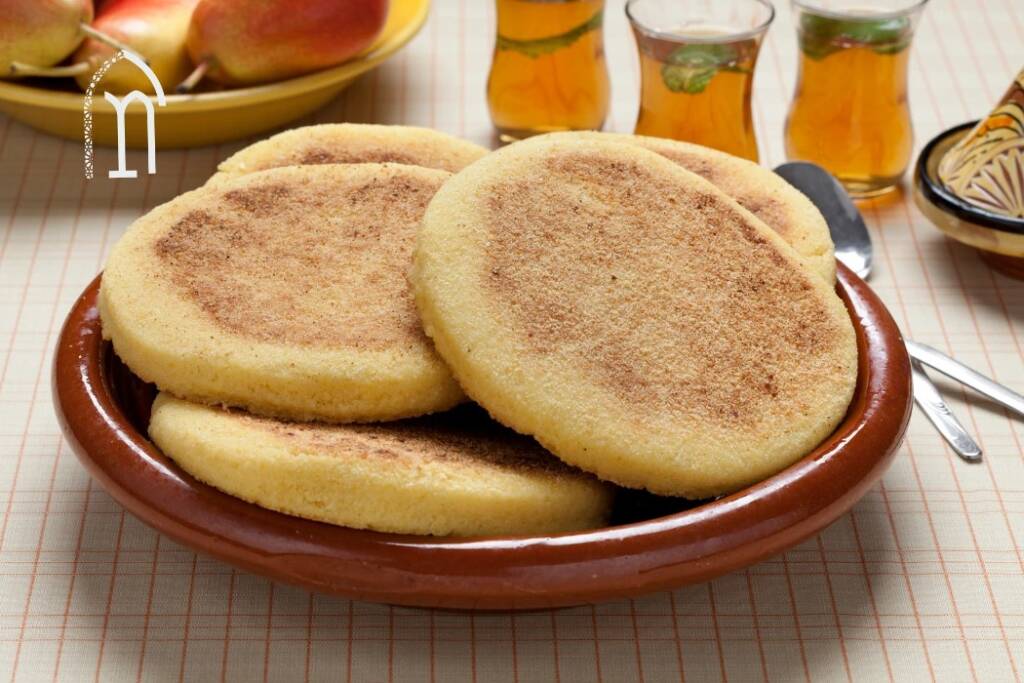
Harcha is another popular bread in Morocco. Harcha is made from semolina, in comparison to msemen. It has a strong, nutty flavor and a coarse texture as a result. It is fried on a griddle and looks like a thick pancake.
Typically, harcha is served warm. It goes well with jam, cheese, or honey. In the early morning, it is not unusual to see sellers preparing harcha in front of customers. Customers are drawn in by the appealing smell of melting butter and warm semolina.
4. Maakouda
Moroccans love maakouda as a snack. It’s a potato cake with a soft inside and crispy outside. Garlic, parsley, and spices are added to the mashed potatoes. After forming the ingredients into small patties, they are deep-fried until they turn golden brown.
Street sellers usually sell maakouda sandwiched between bread and hot sauce. It’s a cheap and satisfying meal. It is a delicious treat because of the crunchy outside and the tender potatoes. A lot of people consume maakouda sandwiches on their way to work or school.
5. Sfenj
The Moroccan take on the doughnut is called sfenj. It is somewhat chewy, round, and puffed. Sfenj is simple, in comparison to doughnuts, which are sweet and covered with cream or chocolate. A sticky dough is used to make it, and it is fried till golden brown.
On wooden poles close to their stalls, the traders usually hang their fresh sfenj. It can be consumed with honey, sugar, or plain. It’s a breakfast item. Part of the fun is watching the vendor create the dough by hand and cook it in hot oil. Sfenj is light and pleasant.
6. Bissara
On a chilly morning, nothing compares to a warm bowl of bissara. Garlic, olive oil, and cumin are combined with dried fava beans to make the thick soup known as biscara. It has a strong flavor and is quite thick.
Street sellers sell biscara after heating it and adding a little paprika and olive oil on top. Bread is served with it. It is incredibly filling while being very basic. Bissara is a popular breakfast choice among employees since it provides them with the energy they need to start the day.
7. Harira
One of the most well-liked soups in Morocco is harira. While it is also present in the street markets, its meaning increases during Ramadan. Tomatoes, lentils, chickpeas, herbs, and small pieces of meat make up harira.
The soup has a modest thickness and is delicious. The flavor is warm and pleasant because of the blend of spices. Sometimes bread or dates are served with it. It’s common and pleasurable to have a bowl of harira in the evening.
8. Kefta Skewers
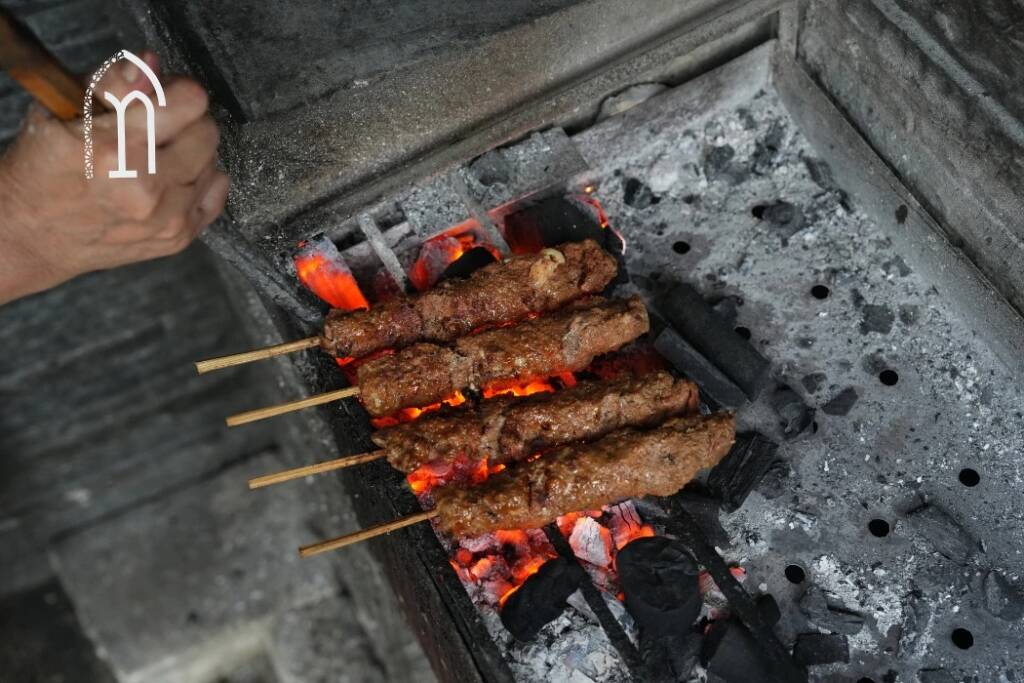
One street snack that one should not pass up is kefta skewers. Ground meat, onions, parsley, cumin, and other spices are combined to make kefta. After being shaped into metal skewers, the meat is cooked on a charcoal barbecue.
One will never forget the smell of kefta sizzling over an open flame. Typically, kefta is served with a loaf of bread, salad, and hot sauce. Because they are so juicy and flavorful, kefta skewers are a common dinner option in crowded marketplaces.
9. Brochettes
Meat pieces that are cooked on skewers are called brochettes. They may be chicken, lamb, or beef. Before grilling the meat, the merchants marinate it with Moroccan spices.
Brochettes are typically served with grilled vegetables and bread. They are easy to make but delicious. The Moroccan experience includes eating grilled meat while standing at a street stall.
10. Snail Soup
Snail soup is a unique taste that is offered as an option for more daring dinners. At Jemaa El-Fnaa, large pans of snails are cooked in a hot broth every day. They use specific herbs and spices to help digestion.
Along with the toothpick and a small bowl, are provided to the customers so they can remove the snails from their shells easily. It has a very intense flavour that people enjoy with lemon. While it may sound odd, Morocco has a long-standing tradition of doing this.
11. Medfouna
Berber pizza, or medfouna, is a dessert meal. To make it, fill the dough with meat, onions, and seasonings, then bake until crispy.
The outside of the crust is crunchy and golden brown, yet the inside is soft. It is more common in the southern areas, but it is also available in some urban markets. It’s perfect for sharing.
12. Sardine Sandwiches
Sardine sandwiches are popular in coastal cities. After being cleaned, sardines are grilled or fried after being seasoned with chermoula sauce. After that, they are packed with sauce and salad inside bread.
Sardines are inexpensive and incredibly tasty. The world’s second-largest sardine producer is Morocco. As a result, this sandwich is popular and delicious.
13. Moroccan Mint Tea
Without street food, mint tea wouldn’t be complete. Mint tea is called “atay” in Morocco. Mint leaves and sugar are used to make mint tea. This green tea has a sweet flavor. The vendors pour the tea from a high height above the glass to create bubbles.
Serving mint tea is a hospitality gesture. To balance the flavors of savory or spicy foods, mint tea is served. In Morocco, it’s enjoyable to watch people while drinking mint tea from a small stand.
14. Mechoui
A whole lamb is used to prepare the well-known Moroccan food mechoui, which is cooked gently until it becomes soft. For a few hours, the lamb is cooked on hot coals or in a clay oven. The lamb’s unique flavor is allowed to shine by being gently seasoned with salt and occasionally cumin.
The inside is delicious and soft, but the outside is crispy. In marketplaces like those in Marrakech, mechoui can be purchased close to Jemaa el-Fnaa and makes a delicious dinner when visiting this well-known city. While mechoui is marketed as a celebration dish, it’s also a fantastic street food option.
Sweet Chebakia and Street Desserts
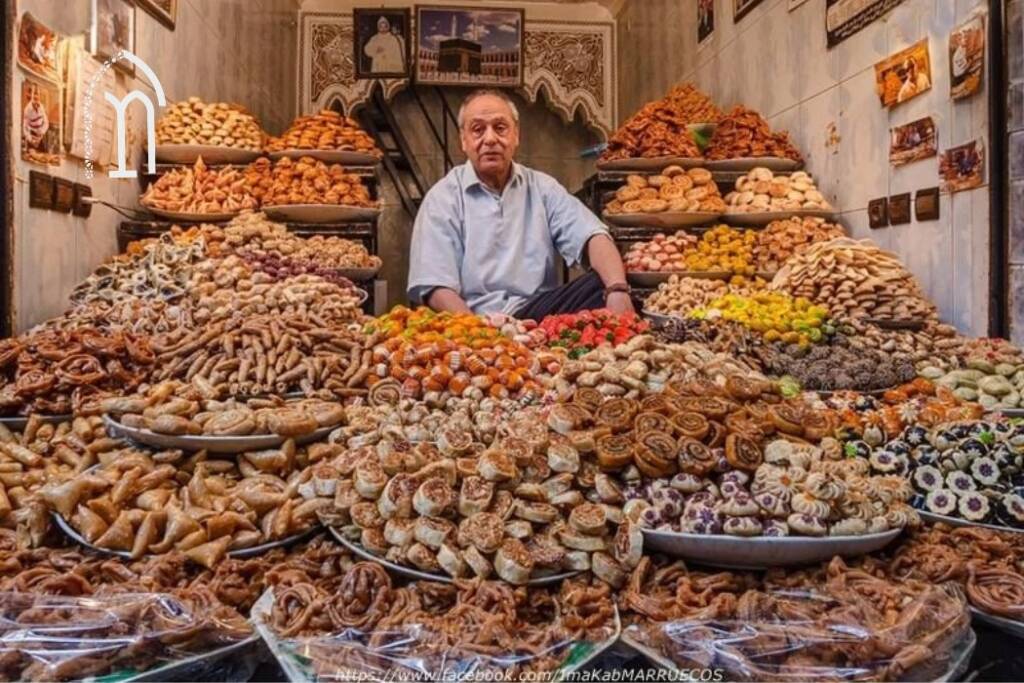
Sweet treats like chebakia can also be found in street markets. After being cooked, these sesame cookies are shaped into flowers and covered with honey. They have a lot of taste and are sticky and sweet.
Almond pastries and biscuits dipped in orange blossom water are additional delectable pleasures. Tea is typically served with these. They offer a delightful way to end a street food trip.
The Role of Spices in Street Food
Spices are the main source of flavor in Moroccan street food. They consist of cumin, coriander, ginger, paprika, and saffron. Due to the vendors’ skillful ingredient mixing, the food is tasty without being overly spicy.
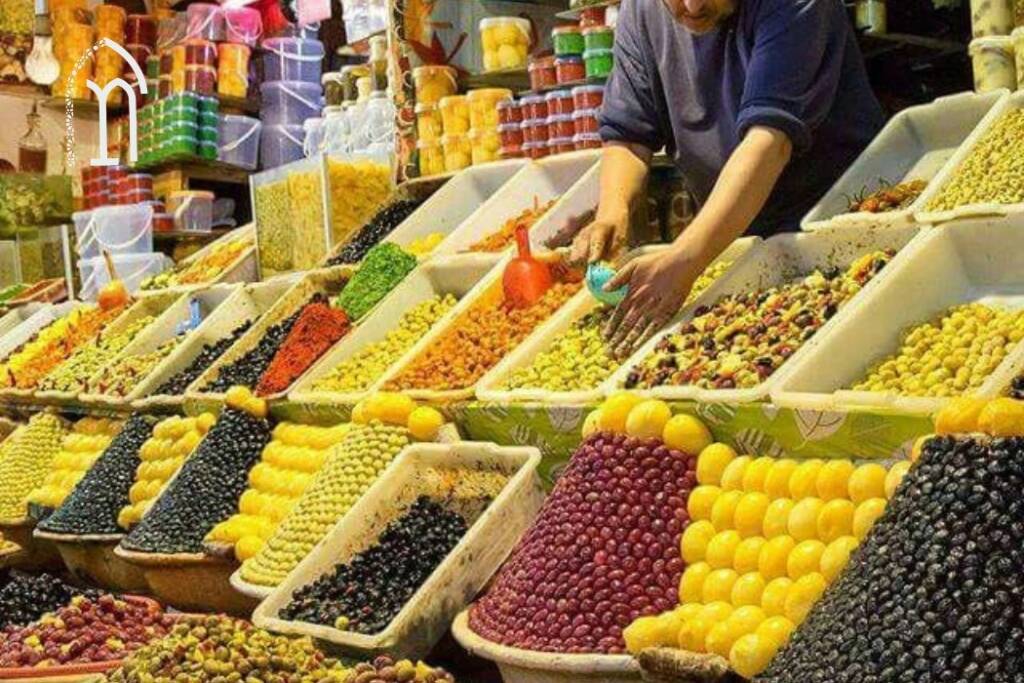
The smell of fried spices in oil is the first thing one feels when traveling to the nation. Because different vendors use different spices, every meal has a unique flavor. The flavors make Moroccan street food truly unique.
A Street Food Experience to Remember
If you are thinking that Moroccan food is just delicious, then you are wrong; it’s more than that. It is a mixture of culture, atmosphere, and beautiful relationships. Whether you love to walk in a small Lane in Fes or in Jamaa el-Fnaa, you can eat food that definitely represents culture and tradition.
It’s every day having a bad story that is related to history, whether you experience flaky-crust msemen or smoky-ta kefta. The meal is totally straightforward and excellent, that’s satisfy your food cravings. This city represents love and focused care for people. The streets are open late at long night, even after dinner is finished. If you want to explore a historical, cultural, and flavourful experience combined in one City the, Morocco is the ideal one.
Final Verdict
Moroccan streets reflect the spirit of Moroccan tradition in every bite. Beautiful delights, simplicity, and colourful local markets can be easily found in Jemaa El-Fnaa. The beautiful experience of a satisfying meal can only be found in Morocco, where you combine bread, meat, and soup.
Broken people love to serve pastries along with the food. These secrets food are very affordable to purchase and also represent the culture of local life. It is one of the most satisfying experiences that never ends in the streets of Morocco.
FAQs
1. What is the most popular Moroccan street food?
Some of the most well-liked selections that are available in almost every city include maakouda, kefta skewers, and msemen.
2. Is Moroccan Street food spicy?
While not particularly hot, the majority of the dishes are quite tasty. The amount of spice can vary, and you can always request a less spicy one.
3. Is street food safe to eat in Morocco?
In busy areas with high turnover, food is usually fresh and safe. Choosing popular stalls is a good idea.
4. What is a common Moroccan street breakfast?
Many people enjoy msemen, harcha, sfenj, or bissara with mint tea in the morning.
5. What drink is commonly served with street food? Sweet Moroccan mint tea is the most common and traditional drink served with street meals.
