

In a world where news about global conflicts dominates headlines—from tensions in the Middle East to geopolitical instability in various regions—many travelers are asking the same question: Is Morocco safe to visit right now?
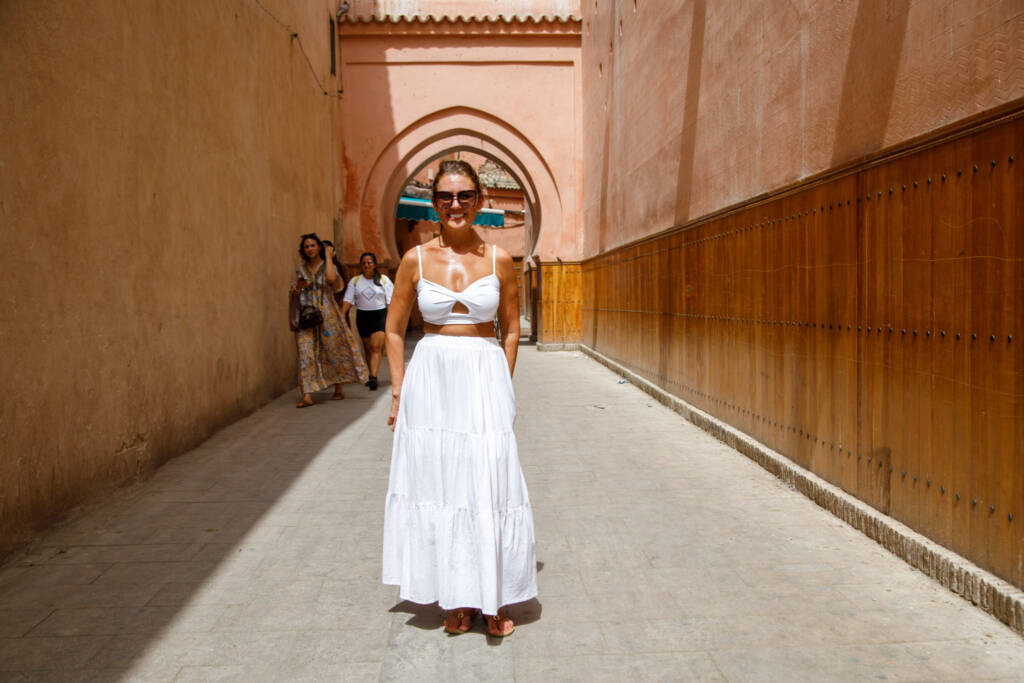
The short answer is yes. Morocco remains one of the most stable and secure travel destinations in North Africa and the broader region. Millions of travelers visit every year to explore its imperial cities, deserts, mountains, and coastline. Understanding Morocco’s geography, political stability, and social fabric helps explain why the country continues to be considered a safe destination.
This guide explains where Morocco is located in relation to global conflict zones, how its security compares with other countries, and why visitors from around the world—including Jewish communities—live and travel here peacefully.
Morocco’s Geographic Position: Far From Middle East Conflict Zones
One of the most important facts often overlooked is Morocco’s geographic location. Morocco is not in the Middle East. It is located in North Africa on the Atlantic Ocean, separated from the Middle East by thousands of kilometers.
For example:
- Morocco is more than 5,500 km from Iran
- It is located on the western edge of Africa
- It faces Spain across the Strait of Gibraltar
The closest European country is Spain, only about 14 kilometers away at the narrowest point between the continents. Because of this strategic position, Morocco historically serves as a gateway between Africa and Europe, not a frontline country in Middle Eastern conflicts.
Even during periods of tension in the Middle East, Morocco remains geographically and politically distant from those conflicts. Travel advisories from many countries confirm that tourism continues normally, and flights between Europe and Morocco operate daily.
Morocco’s Political Stability and Security
Morocco is widely recognized for its political stability and strong security infrastructure. The country has a long-standing monarchy and institutions that prioritize stability and tourism.
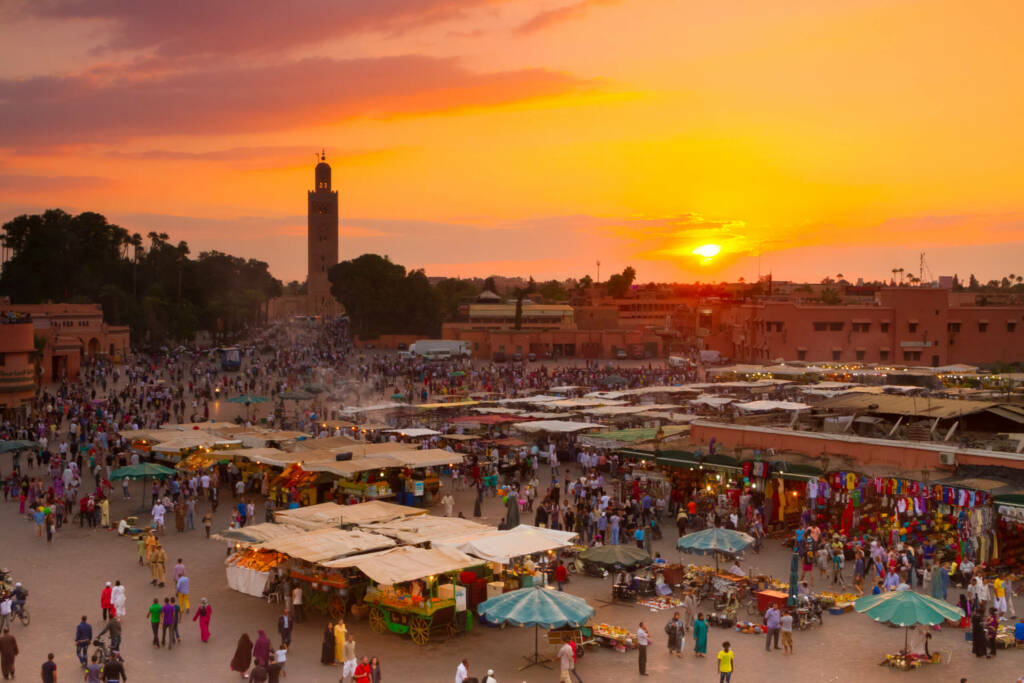
According to international safety indexes, Morocco ranks among the safest destinations in Africa. In the 2026 HelloSafe Global Safety Index, Morocco was ranked 42nd safest country in the world and the safest destination in Africa.
This ranking takes into account several factors:
- crime rates
- political stability
- public safety
- health security
- infrastructure
- environmental risks
Morocco’s crime rate is comparable to some European countries and violent crime remains relatively low.
Another important factor is that Morocco’s government places tourism at the center of its economic strategy, meaning the protection of visitors is a national priority.
Safety Compared With Europe
When travelers ask about safety, they often compare Morocco with European destinations.
Interestingly, several international studies show that Morocco’s safety indicators are comparable to or better than some European countries in certain categories such as terrorism risk and violent crime rates.
Tourist areas in cities like:
- Marrakech
- Fes
- Rabat
- Casablanca
are heavily monitored and protected. Police presence is visible, and there are even special tourism police units dedicated to assisting international visitors.
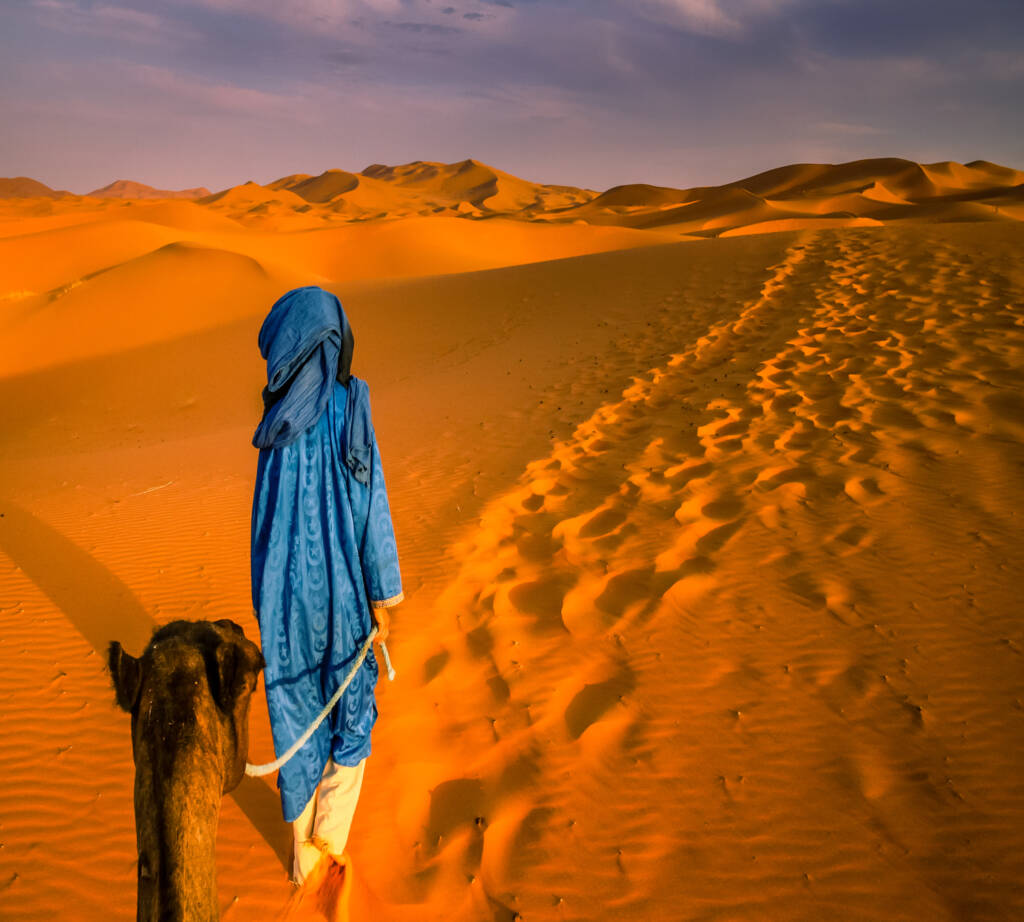
Like many global destinations—including cities in Europe—the most common issues travelers may encounter are minor inconveniences such as pickpocketing or tourist scams, particularly in busy markets or crowded squares.
Serious incidents affecting tourists are extremely rare.
A Long Tradition of Religious Tolerance
Another aspect that often reassures visitors is Morocco’s tradition of religious coexistence.
For centuries, Morocco has been home to Muslims, Jews, and Christians living together. The country historically hosted one of the largest Jewish communities in the Arab world, and Jewish heritage remains visible today in many cities.
Jewish travelers visit Morocco regularly to explore historic sites such as:
- Jewish quarters (Mellahs)
- synagogues
- cemeteries
- cultural heritage centers
Moroccan Jews continue to maintain strong connections with the country, and Jewish cultural preservation is supported at the national level. Festivals, restoration projects, and cultural initiatives highlight this shared history and Morocco’s long-standing commitment to protecting its diverse heritage.
For many international visitors wondering is Morocco safe to visit, this long tradition of coexistence between communities is an important indicator of the country’s openness and stability. It contributes greatly to Morocco’s reputation as one of the most tolerant and welcoming societies in the region.
Tourism and Visitor Experience
Tourism plays a vital role in Morocco’s economy, and the country welcomed millions of visitors each year, becoming the most visited destination in Africa.
Travelers come for a wide variety of experiences:
- exploring the medinas of Marrakech and Fes
- visiting ancient imperial cities
- discovering the Atlas Mountains
- experiencing the Sahara Desert
- enjoying Atlantic coastal towns
Cities like Marrakech are especially popular because they combine historic culture, luxury hospitality, and vibrant markets.
In these tourist hubs, security infrastructure is particularly strong. Hotels, airports, train stations, and major attractions are closely monitored.
Why Choosing a Luxury Moroccan Travel Agency Enhances Your Safety
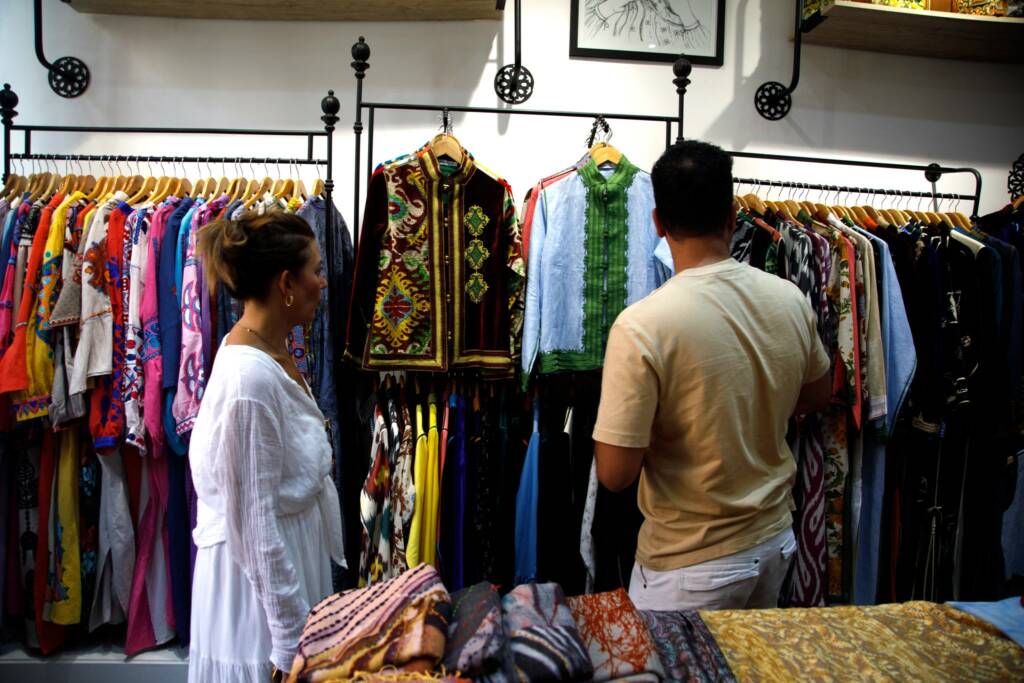
Traveling with a reputable Moroccan luxury travel agency adds an extra layer of comfort, efficiency, and security to your journey. With experienced private guides and professional chauffeurs accompanying you throughout your stay, you benefit from seamless logistics and privileged access to the country’s most remarkable sites. Our teams know the medinas, cultural landmarks, and local environments perfectly, allowing you to move smoothly while avoiding common inconveniences such as aggressive street vendors, persistent guides, or crowded queues. This personalized approach not only enriches the cultural experience but also ensures that every moment of your trip is handled with discretion, professionalism, and peace of mind
Practical Safety Tips for Travelers
Although Morocco is generally considered safe, travelers should always follow basic precautions just as they would in any destination:
- Keep valuables secure in crowded areas
- Avoid isolated streets late at night
- Use licensed guides when exploring large medinas
- Choose reputable transportation or private drivers
- Stay informed about local conditions
Following these simple practices helps ensure a smooth and enjoyable trip.
Frequently Asked Questions About Safety in Morocco
1. Is Morocco safe for tourists right now?
Yes. Morocco is widely considered safe for travelers and continues to welcome millions of visitors each year. The country ranks among the safest destinations in Africa and benefits from strong tourism security measures.
2. Is Morocco affected by conflicts in the Middle East?
No. Morocco is geographically far from the Middle East and is located on the western edge of North Africa. Conflicts involving countries such as Iran occur thousands of kilometers away and do not directly affect daily life or tourism in Morocco.
3. Is Marrakech safe for visitors?
Marrakech is generally considered safe for tourists. Violent crime is rare, and tourist police are present in major areas such as the medina and public squares. Most issues visitors encounter involve minor scams or pickpocketing in crowded locations.
4. How does Morocco compare to European countries in terms of safety?
In several global indexes, Morocco’s safety levels are comparable to many European destinations. The country performs well in political stability and maintains relatively low violent crime rates.
5. Is Morocco safe for Jewish travelers?
Yes. Morocco has a long history of Jewish presence and cultural heritage. Jewish communities and heritage sites remain active, and visitors of all religions travel freely throughout the country.
6. Are there special security measures for tourists?
Yes. Morocco maintains dedicated tourism police units in major destinations, airports, and historic districts. These units are specifically trained to assist visitors and ensure safety in tourist areas.
7. What are the most common risks for travelers in Morocco?
The most common issues are minor ones such as pickpocketing or tourist scams in crowded areas. Violent crime affecting tourists is rare, and basic travel precautions are usually sufficient to avoid problems.
Final Thoughts
Despite global tensions and conflicts in other parts of the world, many travelers still ask is Morocco safe to visit right now. The answer remains reassuring: Morocco continues to be a stable, welcoming, and secure destination for international visitors.
Its unique geographic position near Europe, strong security infrastructure, and long tradition of cultural tolerance make it one of the most appealing destinations in North Africa.
From the vibrant streets of Marrakech to the calm Atlantic coast and the vast Sahara Desert, Morocco continues to offer travelers an experience that is not only unforgettable—but also reassuringly safe..
