

Morocco is popular for its remarkable architectural designs, rich history, and kind society. The most amazing part of Morocco is its imperial cities, which are the core of its kingdom’s authority. Tourists are always welcome to see its magnificent castles, medinas, and historic monuments.
All cities, including Fes, Meknes, Marrakesh, and Rabat, offer a royal tour, where travelers can enjoy tradition, modernism, craftsmanship, and the warm hospitality. Let’s explore more:
Key Imperial Cities & Highlights
The royal tour of Morocco includes culture, traditional things, and much more. Let’s have a clean tour to get to know each city well:
1. Rabat
Morocco’s capital, Rabat, is well-known for its historical significance and peaceful surroundings. Because it is less crowded than other Moroccan cities, Rabat offers visitors a unique experience. It also provides an entrance into Morocco’s rich past. The Hassan Tower, the Royal Palace, and Mohammed V’s Mausoleum are all located in Rabat and are connected to Morocco’s royal past.
The sea, gardens, and wide roads make for the ideal setting for relaxing. Additionally, Rabat has historical sites with modern facilities, making it simpler for visitors to move around the city.
2. Meknes
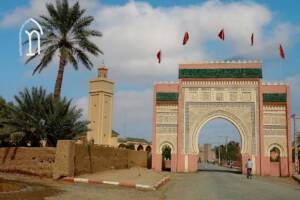
Meknes has a historical value and offers a royal heritage. It is less popular in comparison to Marrakesh and Fes. Meknes is the capital of Sultan Moulay Ismail, and it is famous for its impressive gates, historical structures, and luxury palaces. Bab Mansour is also one of the most well done gets that represents the city’s old and previous beauty.
Meknes is a less crowded option than the other imperial big cities. It has historical significance and very peaceful surroundings that keep everyone calm. People can enjoy calm settings and experience royal history together here. Visitors will definitely appreciate the beauty of Moroccan architecture.
3. Fez
It is considered Morocco’s cultural and spiritual center. Fes, an imperial city, is well-known for its historic medina, a network of narrow streets. In the past, Fes was regarded as the heart of knowledge and artistry, and one may still see the ancient craftsmen creating fabrics, leather goods, and ceramics.
Al-Qarawiyyin University and Bou Inania Madrasa are two of Fes’ historic sites. Because Fes has preserved centuries-old practices, walking around the city is like traveling back in time. Fes is a must-see location for anyone interested in Morocco’s imperial past due to its cultural significance and imperial history.
4. Marrakech
Marrakesh has a beautiful second name, called the Red City. People call you Trade City just because of its red clay buildings that look magnificent. One of the most well-known imperial cities of Morocco is because of its beautiful marketplace, crowded streets, and luxury palaces. The best part is, this city is known as a colony of activity. There are two more beautiful examples of its Royal structure that are the Bahia Palace and the Saadian Tombs.
Without the Majorelle garden, this city is totally incomplete. This garden offers you a peaceful atmosphere that is away from the bustling streets. One of the most popular areas, Jemma el-Fnaa, is filled with entertainers, food sellers, and regional handicrafts. Barack occurs is definitely a must-see location for all those people who are looking for royal monuments. Additionally, Morocco is a mixture of modern culture and royal legacy.
Typical Royal Tour Itinerary Features
Let’s deep dive into more fantasy that involves history, architecture, food, and luxury:
1. The Medina Experience Across Imperial Cities
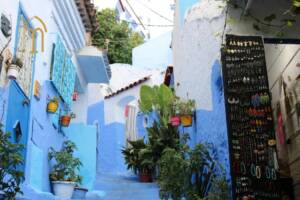
Morocco’s imperial cities’ medinas are more than simply marketplaces, but they are living museums that offer a look into the nation’s royal past. Every imperial city has a unique medina. For example, Fes offers a medina rich in art and history that amazes everyone. Marrakech offers a vibrant, energetic medina that sells everything from modern items to traditional handicrafts.
Even the medinas of Rabat and Meknes provide an insight into the history, culture, and dignity of these cities. Because Morocco’s imperial cities grew out of the influence of commerce and royalty, the medinas of these cities provide a window into the lives of their citizens, their history, and their royalty.
2. Moroccan Palaces & Beauty
Morocco’s imperial cities are famous for their outstanding architectural designs and royal residences. With their amazing carvings, lovely gardens, and Moroccan architecture, each of these palaces tells a tale about the different sultans who previously ruled Morocco. The Bahia Palace in Marrakech is an excellent example of luxury and attention to detail in every way.
The Dar Batha Palace in Fes was built in the Andalusian style. The Royal Palace in Rabat is an administrative building that combines modern and traditional design features. The impressive gates and royal palaces of Meknes show the beauty of ancient Moroccan imperial cities.
3. Cultural Festivals and Royal Traditions
Morocco’s imperial cities play an important role in both the celebration of culture and the nation’s history. The importance of the nation’s culture is highlighted by events like the Fes Festival of World Sacred Music and the Art and Film Festivals in Marrakech. These occasions also serve as a means of recognizing the royal family’s contribution to cultural preservation.
Traditional festivals and activities serve as a means of remembering the connection between modern life and the royal family in places like Rabat and Meknes. A visit to Morocco during these celebrations gives a tour of the royal family a special touch.
4. Moroccan Cuisine in Imperial Cities
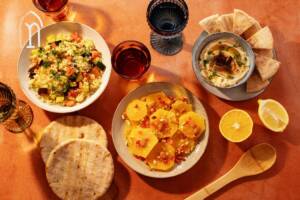
A visit to Morocco’s royal cities would not be complete without tasting the local food. There are unique dishes that are likely to please the palate in every city. Traditional pastillas and tagines are a must-try in Marrakech. Couscous and sweets are the local food in Fes. While traditional stews are found in Meknes, seafood is plentiful in Rabat.
Every city has street food that will provide visitors with a real feeling of the local way of life. In addition to pleasing the eye, the local food will provide any visitor with an understanding of Morocco’s royal past. This is due to the fact that the majority of local food was first prepared in the palace before being offered to the neighborhood.
5. Gardens and Outdoor Beauty
Morocco’s imperial cities are famous for their beautiful gardens and outdoor areas that reflect the royalty’s preferences and tastes. The Majorelle Garden in Marrakech is a peaceful haven with exotic plants and vibrant, bright colors. Historical gardens can be found within the palace and royal complexes of Fes and Rabat.
There are spacious open spaces in Meknes close to the gates and palaces where visitors can take in the beautiful views and architecture. These gardens were created to be a source of inspiration, peace, and beauty while also matching the royal palaces. When compared to the lively life medinas, visiting these outdoor areas is an excellent opportunity to appreciate the softer and more peaceful features of Morocco’s imperial cities.
6. The Unique Souks
The souks, which connect royal history to daily life, are an essential component of imperial towns. These historic marketplaces were important to the local economy and were typically found close to the royal residences. For visitors, Marrakech’s souks are a sensory adventure of textiles, spices, and handicrafts. There are unique souks in Fes that house centuries-old pottery and leather workshops.
There are peaceful, modest markets where people shop and socialize in Rabat and Meknes. An important part of learning about Morocco’s cultural and economic past is visiting the souks. They give insight into how the cities’ economies, craftsmanship, and royal influence have formed them into lively cities over time.
7. Moroccan Royal Heritage in Modern Times
Morocco’s royal cities are more than just historical sites. Instead, these towns also show how modern life has been influenced by royal legacies. Royal palaces are still used for formal gatherings, medinas continue to flourish as centers for trade, and festivals and crafts are used to celebrate royal customs.
Tourists can enjoy both modern facilities and historical attractions thanks to the seamless introduction of the modern world into these historical sites. Visitors can witness both modern Moroccan culture and royal life in Morocco’s imperial cities. Exploring these cities is a trip through time that honors Morocco’s royal history and links the past and present.
8. Moroccan Handicrafts
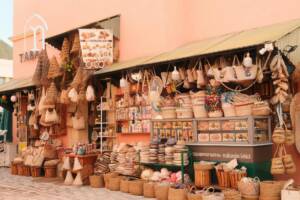
Morocco’s imperial cities are renowned for their handicrafts, which are the result of the nation’s centuries-long rich history of culture. Skilled craftspeople work to create fabrics, carpets, pottery, and leather goods that are valued globally. Marrakech is renowned for its vibrant rugs and craftsmanship, while Fes is well-known for its leather tanneries. These handicrafts are enhanced with the nation’s royalty and culture, making them more than just typical mementos.
A large number of the designs come from the palace itself, where craftspeople made them for the nobles and sultans. Tourists can gain an understanding of the talent required to produce the handicrafts by visiting the marketplaces and watching the craftspeople in action. Morocco has a great handicraft tradition.
9. Architecture Beyond Palaces
These imperial cities are known for their palaces, but Morocco’s royal influences may also be seen in other beautiful structures. Architectural wonders that exhibit the same degree of design as those seen in royal palaces include gates, mosques, and mausoleums. The beauty of Moroccan architecture can be seen in the Hassan Tower in Rabat and the imposing gates in Meknes, such as Bab Mansour.
Fes also features fountains and old madrasas that combine beauty and usefulness. The medinas’ residential sections, which can be identified by beautifully decorated courtyards and wooden doors, are another obvious example of ancient Moroccan architectural styles. Morocco’s architectural richness reflects the royal influences on these towns and provides a story of the country’s imperial past.
10. Nightlife and Evening Experiences
Morocco’s royal cities come to life at night, each with a unique music style. Jemaa El Fna is a colony of activity in Marrakech, with food vendors, musicians, and storytellers creating a vibrant, buzzing environment. Fes is better suited for a stroll in the evening because of the calm atmosphere created by the lighted medina.
After a day of tourism, Rabat offers a quiet stroll by the beaches. A peaceful evening in one of Meknes’ historic squares is ideal for reflection. The royal tour is enhanced by visiting these places after dark, which offers a closer-up view of Morocco’s imperial past as well as regional food, music, and culture.
Planning Your Royal Tour
Morocco’s royal cities are active at night because each one has a unique character. Marrakech offers the excitement of Jemaa el-Fnaa Square, a vibrant and exciting place full of storytellers, musicians, and food vendors. With its traditional nighttime walks around the medina district, where lanterns light up to provide a peaceful and engaging experience, Fes offers a more relaxed atmosphere.
Rabat provides strolls along the beaches at night, when the sun sets and day visitors disappear, creating a relaxed environment. Meknes’ historic squares and gardens provide peaceful evening experiences that are perfect for reflection and meditation. The opportunity to explore the most important aspects of the royal cities as described in the royal tour is provided by visiting them at night.
Tips for Travelers
When visiting Morocco’s imperial towns, visitors should always keep in mind the importance of wearing suitable walking shoes because they will probably need to walk a lot to see the palaces and medinas. Interacting with the natives can also be made easier by learning a few simple Arabic or French phrases.
To make the trip more pleasurable, it’s also important to eat local foods properly and drink lots of water. Travelers can avoid the crowds as they explore the imperial cities and discover more about the rich history of the nation’s royalty by visiting major attractions very early in the day.
Conclusion
Morocco’s imperial cities provide in luxury and unique vacation experience to all visitors. Every city carries memories and beauty everywhere. Whether you are exploring the gardens or looking for palaces, each corner of the marketplaces gives you a luxury vibe. All the cities take you through centuries’ worth of culture and history.
Moreover, the handicrafts, festivals, food, history, luxury era, and traditions make this country full. Travelling towards Morocco’s imperial cities is more than a simple viewing experience. It keeps you feeling royal and excites you throughout the journey. It last forever impression on the memory of the visitors and they kept in their hearts always.
FAQs
- What are Morocco’s imperial cities?
Morocco’s imperial cities include Marrakesh, Meknes, Fes, and Rabat. All these cities are known for their royal history and beautiful cultural heritage.
- Which city is best for first-time visitors?
Marrakech is one of the ideal cities for all first-time visitors. It’s due to its vibrant atmosphere and the beautiful iconic landmarks. This both attracts a few views quickly.
- Are guided tours necessary?
The guided towards a totally recommended experience for all those people who love to understand the history, culture, and significance of each city. With a proper professional guide, they understand and learn so many things about a particular area or city.
- What is the best time to visit Morocco?
Spring and autumn are definitely ideal for visiting Morocco. Because both have pleasant weather and fewer crowds.
- Can travelers explore the medinas safely?
Yes, Medina is generally safe for tourists. I will advise you to stay away from your surroundings all the time and follow professional guides’ advice.
